Divide what the item really costs you to own, meaning purchase price minus what you could resell it for, by the rental rate. That gives you the number of uses where buying becomes cheaper. For most home equipment the answer lands between 5 and 10 uses. If you will realistically use it more than that, buy it. If not, rent. Then adjust for storage, maintenance, and how urgently you need it.
The instinct is usually to buy, because owning feels like the responsible choice and renting feels like paying twice. Sometimes that is right. Often it is not, and the reason people get it wrong is that they compare the purchase price to a single rental fee instead of running the actual math.
Here is the method, worked examples with real local rental rates, and an honest account of when buying is clearly the better call.
The break-even formula
One line:
Break-even uses = (purchase price - resale value) / rental rate per use
The part people skip is resale value. A pressure washer that costs $300 and sells used for $120 has not cost you $300. It has cost you $180, plus whatever you spent storing and maintaining it. Using the full purchase price makes renting look better than it is, and using it without resale makes buying look worse.
Once you have the break-even number, the only question left is honest: how many times will you actually use this in the next few years? Not how many times you can imagine using it.
Worked examples
Rental rates below are live listings around Atlanta and Cobb County. Purchase and resale figures are typical market estimates and will vary, so run the numbers on the specific model you are looking at.
Item | Approx. net cost to own | Local rental rate | Break-even | Usually |
|---|---|---|---|---|
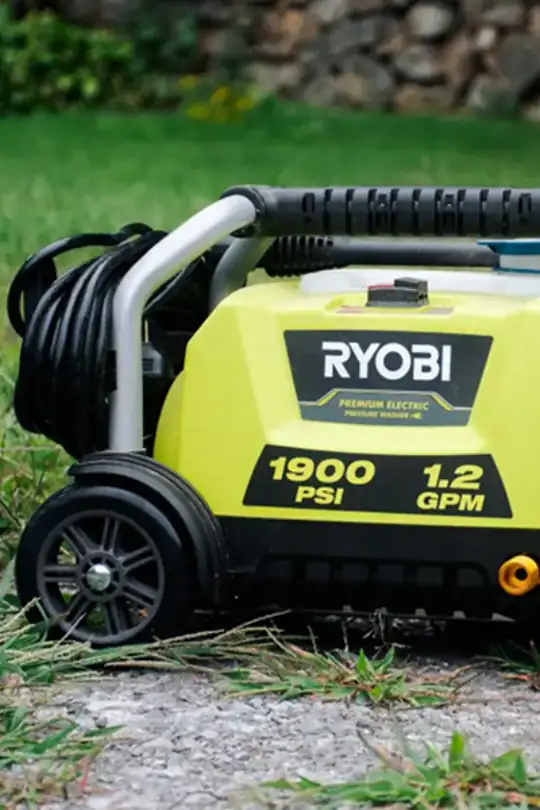
Pressure washer | $300+ | About $25 a day | Around 12 uses | Rent unless you have space to store |
Carpet cleaner | $200+ | About $30 a day | Around 7 days | Close call, depends on pets and kids |
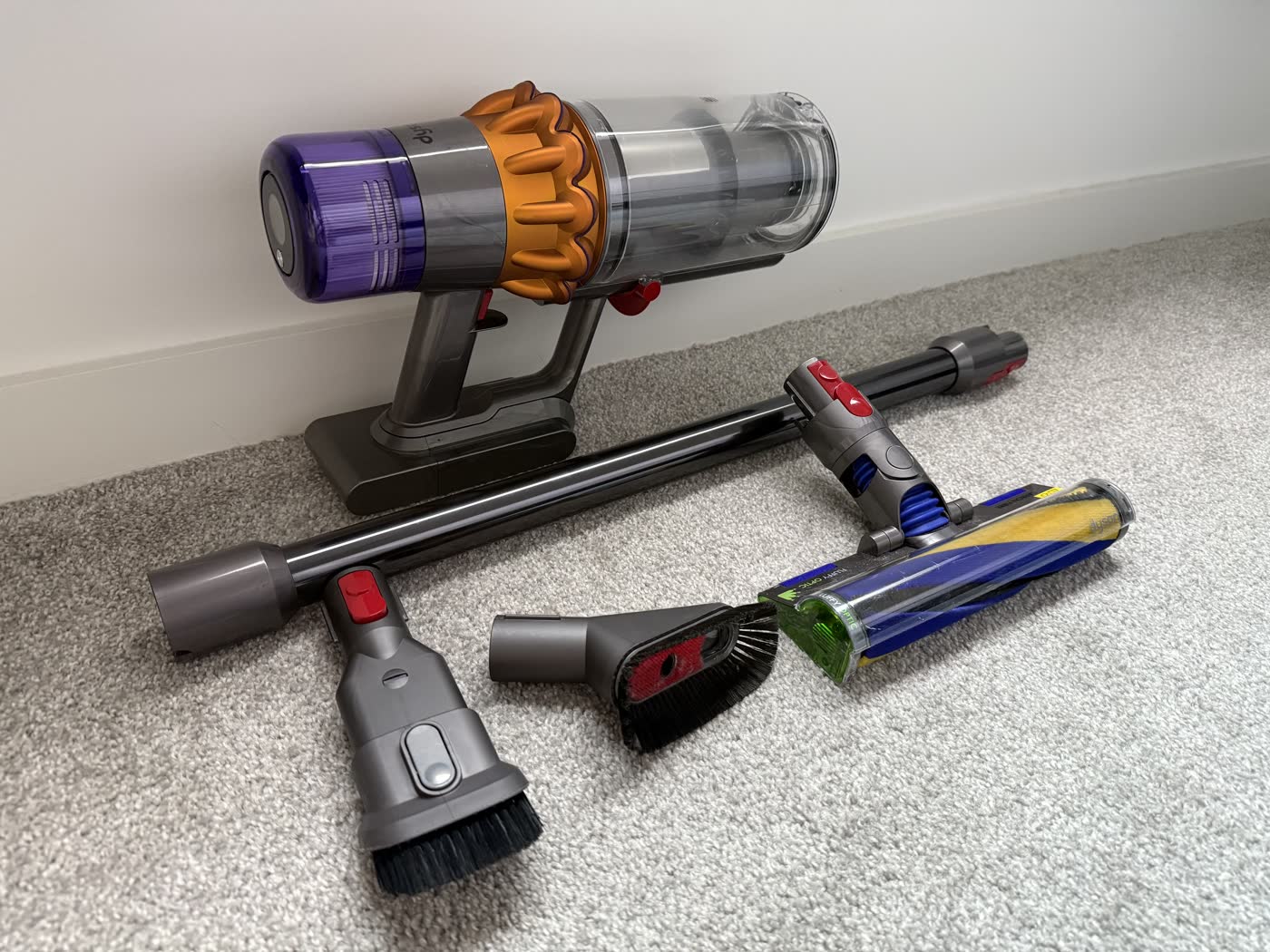
Quality vacuum | $400+ | $15 a day (Marietta Dyson) | Around 27 uses | Rent when needed urgently, buy eventually |
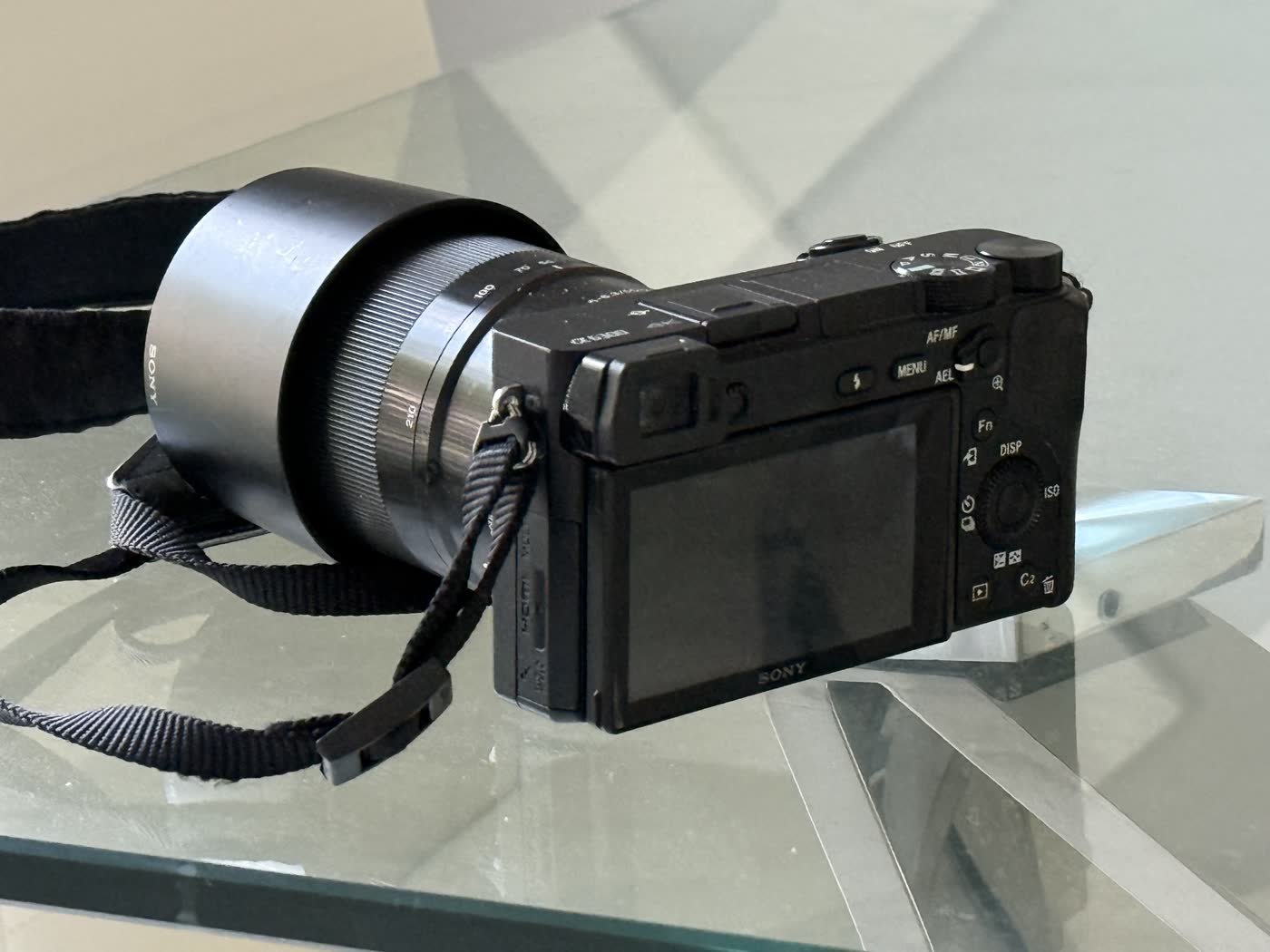
Mirrorless camera | $1000+ | $50 a day (Marietta Sony A6300) | Around 20 days of shooting | Rent unless you shoot frequently |
360 action camera | $400+ | $25 a day (Marietta Insta360 X4) | Around 14 days | Rent for trips, buy if you post weekly |
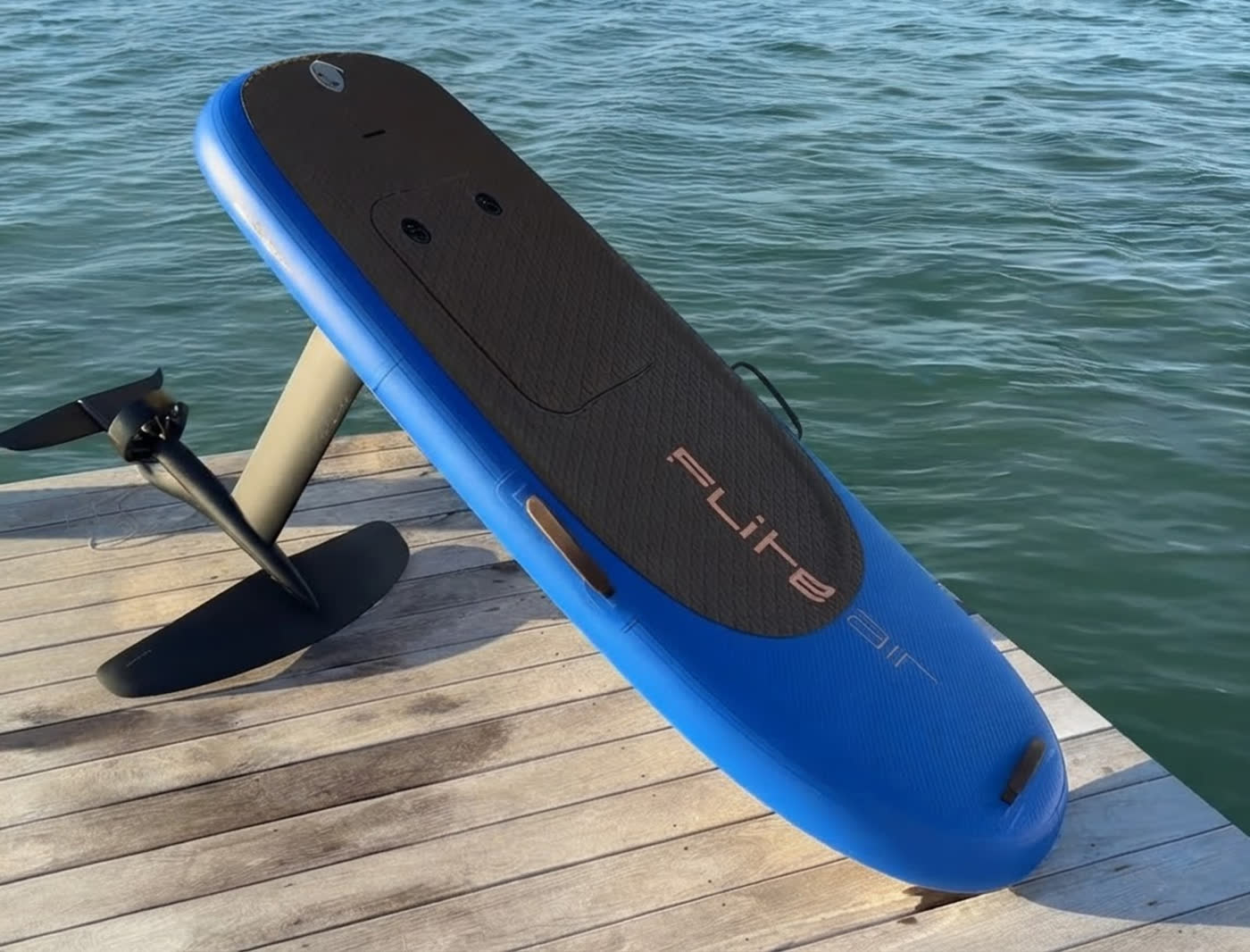
eFoil | $8k-$15k | $150 an hour (Acworth) | About 60 hours on the water | Rent, almost always |
Folding tables and chairs | $100+ | $25-$50 per weekend | Around 4 events | Rent unless you host regularly and have space to store |
Two patterns fall out of that table. Cheap, frequently used household items are almost always worth buying, because the break-even arrives fast and the coordination cost of renting never goes away. Expensive, occasional, specialist items are almost always worth renting, and the gap widens the more the item costs. The Acworth eFoil is the clearest case on the list: at $150 an hour you would need roughly 60 hours on the water before owning one pays off, which is a serious commitment to a single hobby.
Costs of owning that people leave out
The purchase price is the visible cost. These are the ones that change the answer:
Storage. Bulky gear occupies space you are paying for. In an apartment or a full garage, that is a real cost, not a rounding error.
Maintenance. Small engines need fuel stabilizer and servicing. Batteries degrade whether or not you use them. Anything with a pump or a motor deteriorates while sitting idle.
Depreciation and obsolescence. Cameras and electronics lose value fast. The resale figure you assume today will be lower in two years.
Disposal. Getting rid of something bulky costs time or money, and sometimes both.
The buy-it-and-never-use-it tax. The most expensive outcome is buying for a job you do twice and then storing it for six years.
Costs of renting that people leave out
Renting is not free either, and pretending otherwise is how the other half of these decisions go wrong.
Coordination. Two trips, or a handoff window you have to plan around. On a weekday that can cost more than the rental itself in time.
Availability risk. The item may not be free on the weekend you need it. For seasonal gear during peak weeks, this is a genuine problem.
Deposit exposure. You are responsible for damage. On expensive gear, understand what you owe if something breaks before you collect it.
No familiarity. Every rental is a slightly different machine. For a fiddly tool, that costs you the first twenty minutes.
Repeat friction. Renting the same thing four times a year is worse than owning it, even when the math says otherwise on paper.
When buying is clearly right
Do not overthink these:
You will use it more than the break-even number, honestly assessed.
You need it on no notice. A wet vac you can only get by arranging a pickup is not much use during a leak.
It is cheap enough that coordination costs more than ownership, which in practice means under about $50.
It holds value well and you can resell it easily.
You use it for work. Reliability and availability outrank the per-use math once income depends on it.
When renting is clearly right
It is expensive and you need it once. Nearly every specialist tool falls here.
You are trying something before committing. Renting an eFoil twice is a far cheaper way to find out whether you like eFoiling than buying one.
Storage is genuinely scarce, as in an apartment or a shared house.
The technology moves fast. Cameras, drones, and gadgets depreciate while sitting in a cupboard.
You need it in a size or spec you will never need again, like a specific lens for one shoot.
Breaking a tie
When the math lands close, and it often does for mid-priced home equipment, use these three tiebreakers.
How certain is the second use?
People consistently overestimate future use. If the second use is hypothetical rather than scheduled, weight the decision toward renting. You can always buy later, once the pattern is real.
What happens if it breaks?
Owning means you handle repair or replacement. Renting means a deposit and a conversation. For fragile or complex gear, that difference matters more than a few dollars per use.
Is there a local option at all?
Break-even math is theoretical if nothing comparable is available near you when you need it. Check what is actually listed nearby before assuming renting is an option. In Cobb County the reliable categories are cameras, cleaning equipment, tools, and lake gear, which is covered in more detail in what is worth renting out around Atlanta.
The other side of this decision
If you ran the math and concluded you should not buy, someone near you already made the opposite choice and owns the thing. That is what makes a local rental market work at all, and it is also the argument for listing your own rarely-used gear rather than letting it depreciate in a garage.
OSTVA is a peer-to-peer rental marketplace concentrated in Kennesaw, Marietta, Acworth, and greater Atlanta, which is why the rental rates in this guide are live listings rather than national averages. You can browse what is available nearby before committing to a purchase. ID, phone, and email verification, in-app payments, a security deposit, and reviews are live. Insurance is marked Soon and is not included today.
Frequently asked questions
Deciding whether to rent or buy
How do I know whether to rent or buy something?
Is it cheaper to rent or buy a pressure washer?
Should I buy a camera or rent one?
What costs do people forget when buying equipment?
What are the downsides of renting instead of buying?
When is buying always the right answer?
Check before you buy
See whether the thing you are about to buy is already available to rent near you in Atlanta or Cobb County.
Browse nearby listings
Get the app
Rent nearby. Earn from what you already have.
Available now
Written by
Thomas Novoszath
Founder of OSTVA, building a community-first sharing platform that brings rentals and local services together.
Keep reading
Rent or Buy in Marietta: List What You Own Before a Neighbor Buys Another One

eFoil Rentals in Atlanta: Where to Ride, What It Costs, and How to Book
Labor Day Weekend: What to List in Acworth, Kennesaw, and Marietta